
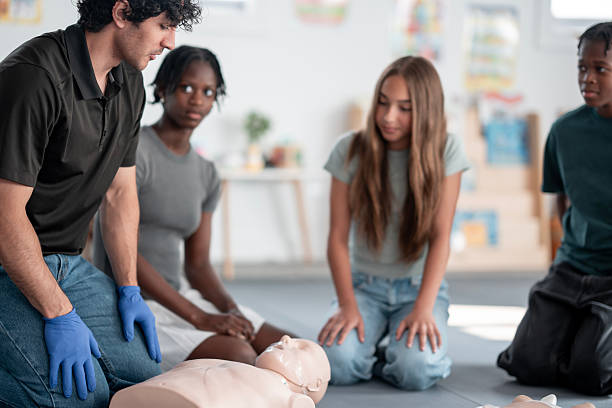
When someone has lived through exploitation or abuse, the first few conversations afterward can shape how safe they feel for a long time. That is why more nonprofits, teachers, and volunteers are looking into psychological first aid training courses that teach simple, caring ways to respond. You do not need to be a therapist to offer comfort, and a calm and respectful approach can help someone feel steady again.
Psychological first aid is a practical way of supporting people in the hours and days after a frightening event. Its goal is not to treat trauma or dig into painful memories. Instead, it focuses on safety, comfort, and connection, so a person can begin to feel more secure. Think of it like physical first aid, where you stabilize someone and then connect them with the right professionals for longer care.
Young survivors often need extra patience because children express distress in different ways. Some become quiet, others become angry, and many struggle with sleep or school. Responding with warmth and consistency tells them they are not in trouble and not alone. For background on how stress and trauma show up in young people, the NIMH resources on youth mental health are a trustworthy place to learn more.
A helpful way to remember the approach is to look, listen, and link. First, look for immediate needs such as safety, food, rest, or medical care. Next, listen without rushing, interrupting, or pushing for details. Finally, link the person with trusted adults, counselors, and community services. Each step is simple, but together they create a steady foundation for recovery.
What you say matters as much as what you do. Simple phrases like “I am glad you told me,” “you are safe here,” and “this is not your fault” can mean the world to someone who feels frightened. Avoid asking why they did not leave or why they did not tell someone sooner, because questions like these can sound like blame. Let the person set the pace and respect their choices wherever possible.
Training also protects the helpers. People who support survivors can feel worn down, sad, or overwhelmed, especially when they care deeply. Learning healthy boundaries, taking breaks, and sharing the load with colleagues keeps volunteers and staff steady over time. A team that looks after itself can offer better, kinder support to the people who depend on it.
Schools, churches, youth clubs, and neighborhood groups can all benefit from this knowledge. Imagine a coach who knows how to respond calmly when a teen shares something painful, or a volunteer who can comfort a frightened child without making things worse. These small moments of steady care add up, and they often decide whether a young person reaches out for more help or decides to stay silent.
It is also important to know when professional help is needed. If someone talks about hurting themselves or seems to be in immediate danger, do not wait. Call local emergency services, or reach out to the free 988 crisis lifeline support by calling or texting 988 in the United States. Staying with the person until help arrives can make a real difference. Psychological first aid is not a cure, but it is a kind, practical beginning. When more people learn how to respond with compassion, survivors are met with understanding at the very moment they need it most, and that first caring response can change the direction of a life. Thank you for caring enough to learn and for being ready to help when someone needs a steady, kind presence nearby. Your calm voice and time truly matter.


